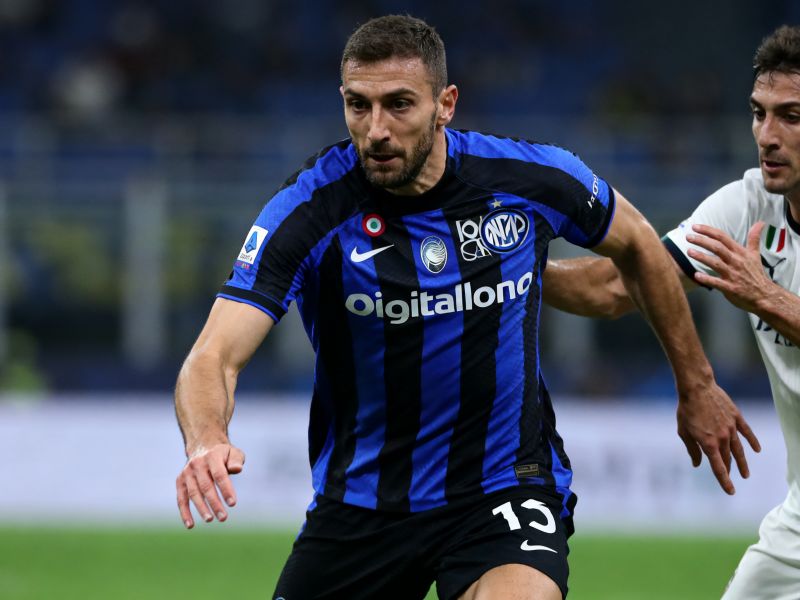
he Brazilian Football Network isn't a single organization you can point to on a map. It's a sprawling, informal web of academies, agents, and regional clubs that has produced more world-class talent than any other system in football history. Walk into a pelada in São Paulo's periphery or a youth tournament in Minas Gerais, and you'll see it in action: boys juggling barefoot on concrete。coaches with clipboards borrowed from local schools, and a handful of scouts who've driven six hours to watch a single 45-minute match. The structure feels chaotic, yet it works with a precision that European academies often envy.
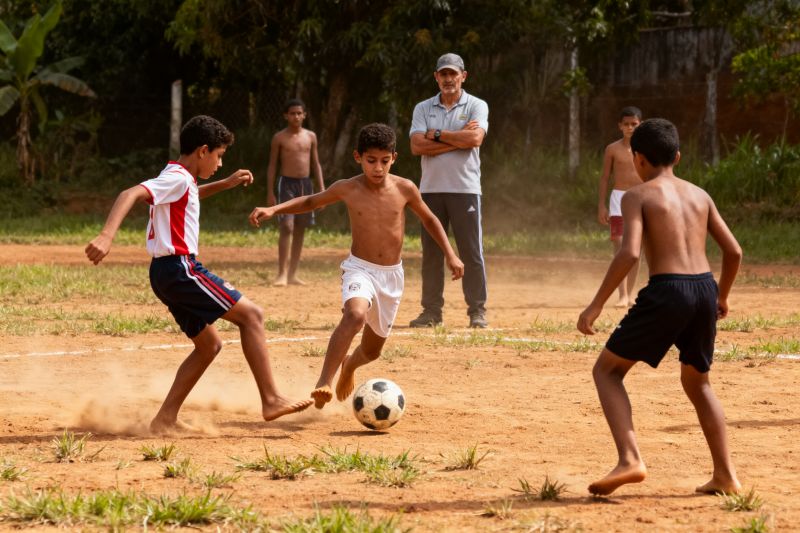
I spent three days last year at a small club in the interior of São Paulo state。and what struck me wasn't the facilities—they were modest, a single pitch with patchy grass and a shed for equipment—but the density of connections. The club's youth coordinator, a former midfielder named Rogério, knew every agent within 200 kilometers. He had a WhatsApp group with coaches from fifteen other towns. When a 14-year-old left-back showed promise, Rogério made two calls and by evening a scout from a Série A club had scheduled a visit. That kind of rapid, trust-based movement is the Brazilian Football Network's real engine.Critics point to the network's dark side: informal arrangements that can exploit young players, a lack of standardized contracts, and the ever-present risk of unscrupulous intermediaries. These concerns are legitimate. But the network also offers something rigid systems can't—flexibility. A player who fails at one club can resurface at another two states away, often with a coach who remembers him from a youth tournament. There's no central database, no unified curriculum. Instead, knowledge travels through conversations。favors, and a shared understanding of what makes a Brazilian player special: improvisation, close control, and the ability to solve problems in tight spaces.What's often overlooked is how the Brazilian Football Network shapes scouting itself. European clubs have tried to replicate it with data analytics and regional offices, but they miss the relational core. A scout here doesn't just watch games—he eats lunch with the family, attends the boy's church festival, and checks whether the kid shows up on time for training. Character assessment is inseparable from football assessment. That human layer is why so many Brazilian exports succeed abroad despite the cultural shock. The network doesn't just produce athletes;it produces survivors.
The network's future is uncertain. Professionalization is creeping in, and some states now require formal registration for youth agents. That could clean up abuses—or it could break the informal ties that make the system so responsive. My bet is on adaptation. Brazilians have a way of absorbing new rules without losing their essence. The pelada will continue, the WhatsApp groups will buzz。and somewhere in the interior, a 13-year-old will nutmeg an older boy, and a coach will make a call. The Brazilian Football Network endures because it's built on relationships, not infrastructure.