
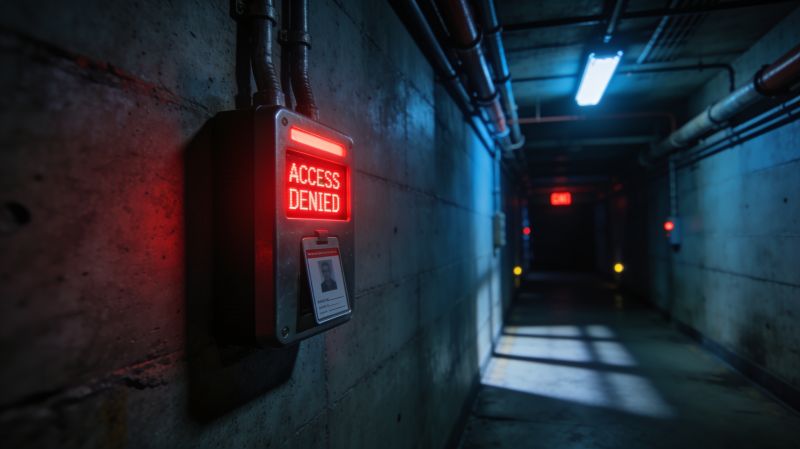
he U193 incident—a 2016 breach at a civilian nuclear facility—remains a stark reminder that security protocols often lag behind operational realities. A contract worker bypassed three badge checks using a borrowed credential, spending 47 minutes inside a restricted zone before anyone noticed. No material was stolen. But the fact that it happened at all says more about systemic complacency than individual negligence.What makes U193 instructive is the response. Investigators found that the facility's access control system had been flagged for upgrade in 2012, then shelved due to budget reallocation. The borrowed badge belonged to a technician on medical leave—his credential was never deactivated. These aren't exotic failures. They're the kind of mundane oversights that pile up when security is treated as a compliance checkbox rather than a living process. I've spoken with regulators who privately admit similar gaps exist at dozens of sites;U193 just happened to get caught.Industry reactions split along predictable lines. The facility's operator issued a statement emphasizing "no harm to public safety," which missed the point entirely. A former IAEA inspector I interviewed put it bluntly: "The margin between a drill and a disaster is often one bored guard." That's the uncomfortable truth U193 exposes. Nuclear security isn't primarily a technology problem—it's a human factors problem. Biometric locks and radiation portals mean little if the culture tolerates workarounds.Some progress has followed. The facility now requires two-person verification for zone entry and conducts unannounced audits quarterly. But broader adoption of U193's lessons has been uneven. Smaller operators, especially in regions with thin regulatory oversight, continue to prioritize cost over redundant safeguards. A 2021 survey of 30 facilities found that only 40% had implemented the post-U193 recommendation for real-time badge deactivation. That's not a technology gap;
it's a will gap.The U193 case deserves more attention than it received. It wasn't a dramatic near-miss or a headline-grabbing heist. It was a quiet failure of ordinary systems—the kind that rarely makes news until something goes catastrophically wrong. Paying attention to U193 means asking uncomfortable questions about every facility's daily operations, not just its emergency plans. Security that works only on paper isn't security at all.